


What to Expect During a Residential Inspection: A Clear Walkthrough
Most homebuyers feel lost when facing a residential inspection for the first time. You’re about to learn exactly what happens during the home inspection process, step by step. With this clear walkthrough, you’ll know what to expect from North Carolina inspectors and what to check off your homebuyers checklist. Ready to gain confidence before your next property evaluation? Learn more about what to expect here.
The Home Inspection Process
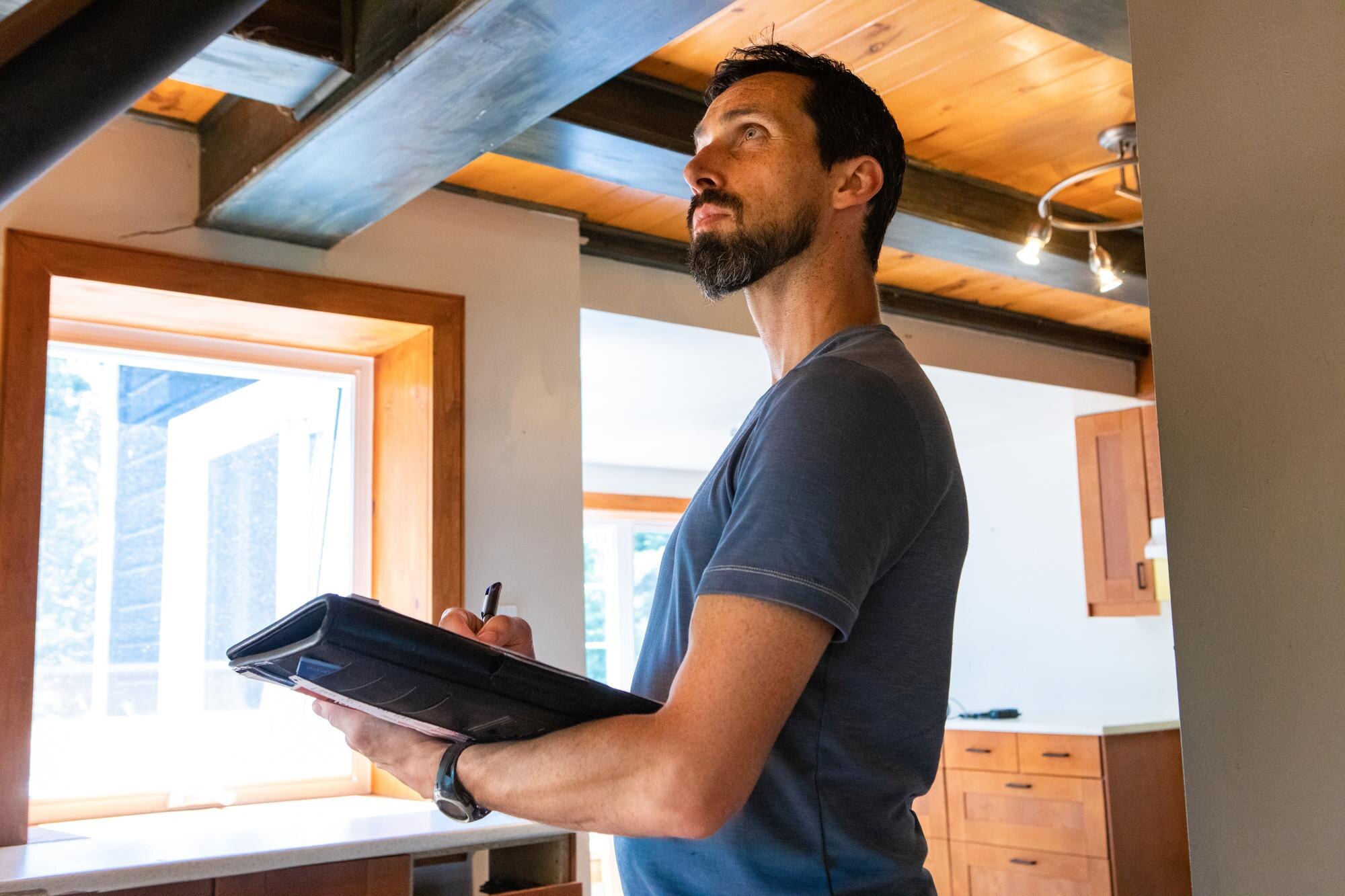
Navigating a home inspection doesn’t have to be daunting. Here’s how to smoothly prepare and understand each step.
Preparing for Your Inspection
Before your inspection day arrives, it’s essential to get ready. Start by gathering all necessary documents related to the property, like past repairs or maintenance records. This not only helps the inspector but also ensures you have a clear history of the home.
Next, ensure the property is accessible. Unlock all doors, including those to the basement and attic, and clear any clutter that might block access to important areas. This helps the inspector perform a thorough check without unnecessary delays. Remember, the more open the space, the more detailed the inspection will be. For more tips on preparing, check out this guide.
Understanding the Inspector’s Role
Your inspector is your ally in this process. They’re there to provide an unbiased evaluation of the property, pointing out both strengths and potential issues. Their job is not to advise you on the purchase but to lay out the facts clearly.
Inspectors will examine all visible and accessible areas of the home. They’ll check for safety hazards, structural issues, and system failures. While they won’t offer repair services, their insights help you understand the property’s condition. This empowers you to make informed decisions about your purchase. Discover more about inspector roles here.
Common Areas Checked
Inspectors cover a lot of ground during their evaluation. Here’s a peek into the most common areas they examine:
-
Roof and Exterior: They look for leaks, damage, or wear.
-
Foundation and Structure: Cracks or shifts can signal issues.
-
Electrical and Plumbing Systems: Safety and functionality are key here.
While this list isn’t exhaustive, it highlights the areas that significantly impact your home’s value and safety. Knowing what to expect can alleviate anxiety and prepare you for the inspection day.
Key Components of the Property Evaluation
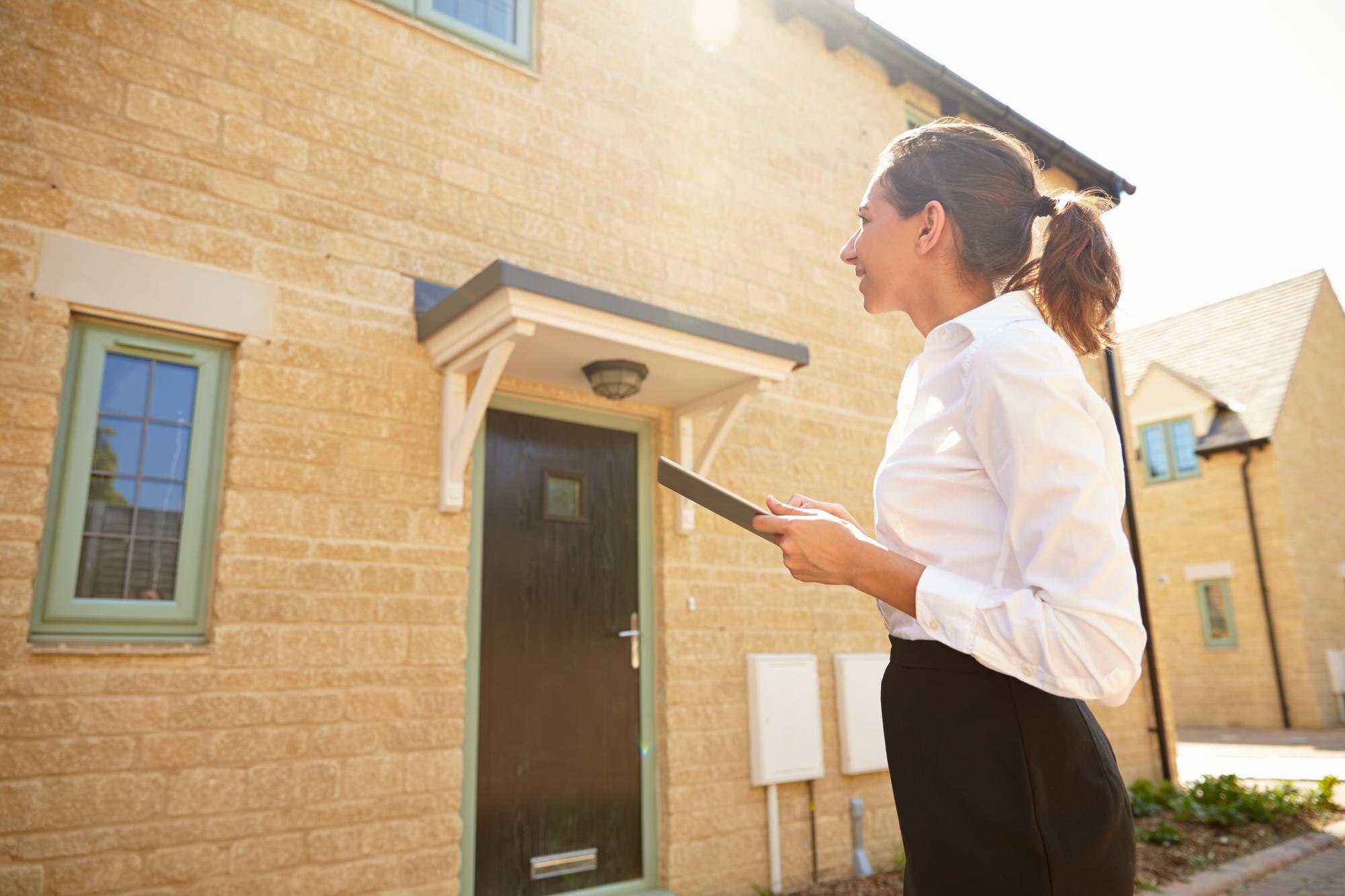
Understanding what makes up the property evaluation is crucial. Here’s a closer look at the main components inspectors focus on.
Structural and Exterior Assessment
The first stop is often the exterior. Inspectors look at the foundation, siding, and roof. They’re checking for visible cracks or water damage. These are signs of potential structural issues that might need addressing.
Inspectors also examine windows and doors for proper sealing. Poorly sealed windows can lead to energy loss. They assess the roof’s condition, looking for missing shingles or leaks, which can lead to costly repairs.
Plumbing and Electrical Systems
Inspectors dive into the plumbing system to check for leaks or corrosion. They inspect pipes, water heaters, and drainage systems to ensure everything functions correctly. A faulty plumbing system can lead to water damage, so catching issues early is vital.
Electrical systems come next. Inspectors ensure wiring is safe and up to code. They check outlets, panels, and switches for signs of wear or malfunction. An outdated or faulty electrical system can be a significant hazard.
HVAC and Insulation Inspection
Heating, ventilation, and air conditioning (HVAC) systems are crucial for comfort. Inspectors assess these systems for functionality and efficiency. Proper heating and cooling are essential, especially during extreme weather.
Insulation also plays a significant role in home comfort. Inspectors check for adequate insulation in the attic and walls. Proper insulation keeps energy costs down and ensures a comfortable living space.
Homebuyers Checklist and Next Steps

With the inspection behind you, it’s time to review findings and plan your next steps.
Reviewing Your Inspection Report
Once your inspection is complete, you’ll receive a detailed report. This document outlines all findings, complete with photographs and descriptions. Take the time to thoroughly review this report. Understanding each finding helps you gauge the property’s condition and prioritize any necessary repairs.
If any issues arise, compare them against your priorities and budget. This is your chance to negotiate repairs with the seller or adjust your offer accordingly. Remember, the inspection report is a tool to help you make an informed decision. For a comprehensive understanding, explore this first-time inspection guide.
Addressing Potential Issues
Not every issue is a deal-breaker, but some require immediate attention. Prioritize safety hazards and structural concerns. Discuss these with your real estate agent to decide the best course of action.
Minor issues can often be resolved post-purchase. However, significant problems may need addressing before closing the deal. Weigh the pros and cons carefully, and don’t hesitate to seek expert advice if needed.
Scheduling Your Inspection with Piedmont Home Inspections 🏠🔍
Ready to take the next step in your home-buying journey? Schedule your inspection with Piedmont Home Inspections. Our team of certified professionals is here to ensure your property evaluation is thorough and stress-free. With us, you gain clarity and confidence in your purchase. Remember, the longer you wait, the more you risk missing out on key insights. Make the smart choice and schedule your inspection today.
By understanding each step of the inspection process, you’re better equipped to navigate your home purchase. With the right preparation and a trusted inspection partner, you’ll have the peace of mind you need to make your dream home a reality.


