


The Ultimate Guide to Phase Inspections in New Construction Projects
Phase inspections in new construction projects can make or break your investment. Skipping these key building stages puts your future home’s safety and value at risk. This guide breaks down how phase inspections in North Carolina ensure quality assurance every step of the way. Keep reading to learn what to expect and why you shouldn’t settle for less. Contact Piedmont Home Inspections today to schedule your phase inspection and ensure quality at every stage of your project. For more information, visit this link.
Understanding Phase Inspections
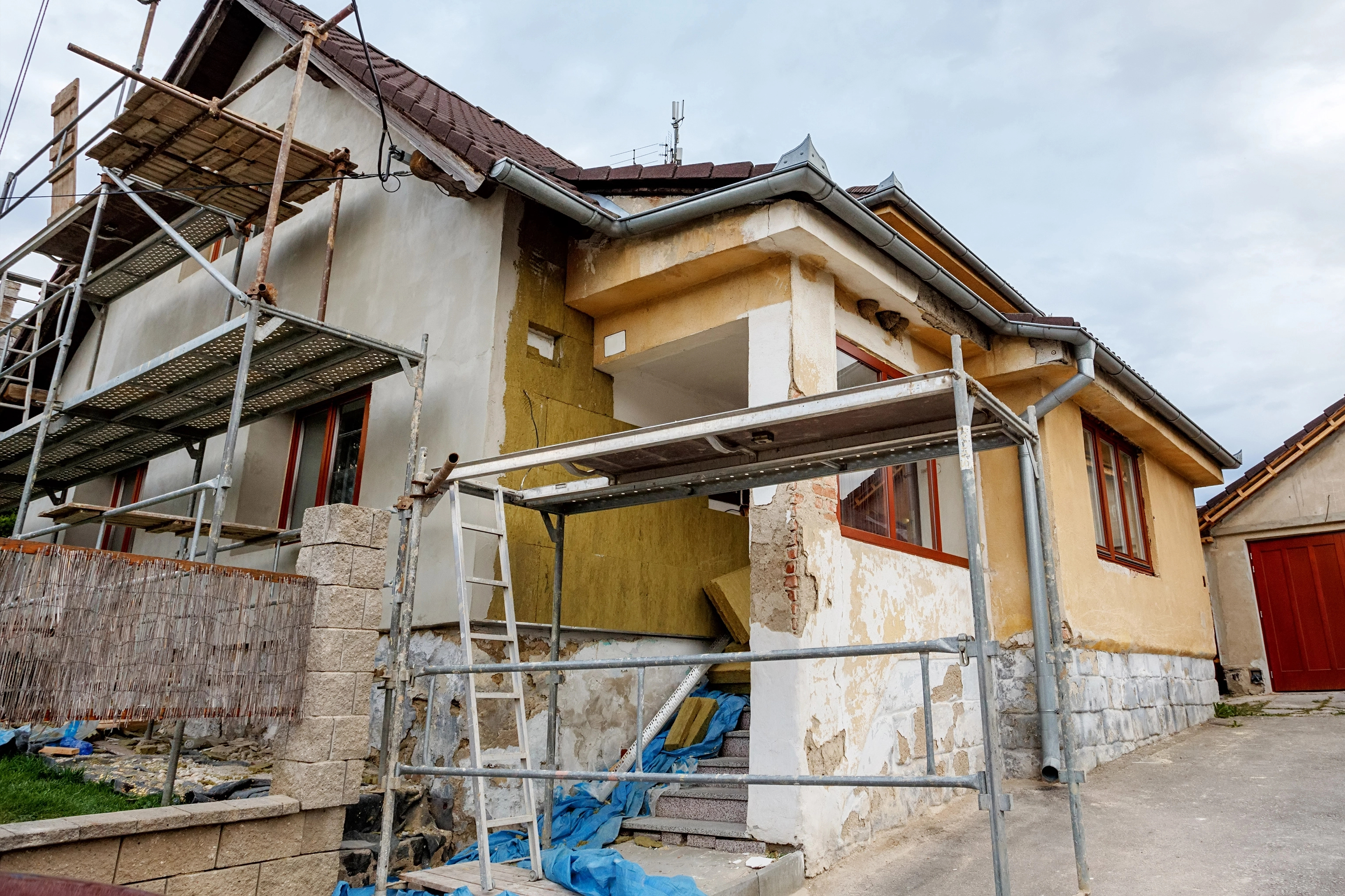
Imagine building a home with complete confidence in its safety and value. Phase inspections help make this possible by ensuring each stage of construction meets high standards. It’s like having a safety net that catches issues before they become problems.
Why Phase Inspections Matter
Phase inspections are your assurance that every part of your new home is built to last. They catch potential issues early, saving you from future headaches and costly repairs. Think of it as a proactive approach to safeguarding your investment.
During these inspections, experts check critical elements like the foundation and framing. This process ensures that everything is up to code and built correctly. Without these checks, small oversights could lead to significant problems down the line.
Many believe that hiring a skilled builder is enough, but even the best make mistakes. By investing in phase inspections, you’re choosing peace of mind and long-term savings.
Key Building Stages in North Carolina
In North Carolina, builders follow specific stages to complete new homes. Each stage has its unique challenges and requires attention to detail to ensure quality.
-
Pre-Pour Foundation: Inspectors check the foundation setup before concrete is poured, ensuring it’s ready for the weight of your home.
-
Framing: As walls go up, inspections ensure that the structure aligns with design plans and structural integrity.
-
Pre-Drywall: Before the walls are closed, wiring, plumbing, and insulation are examined.
New construction in North Carolina often involves these vital steps. Missing any can lead to issues that are hard to fix later. Learn more about these stages to understand their importance.
Ensuring Quality Assurance
Quality in construction means more than just following plans. It’s about ensuring each component works together seamlessly. Phase inspections are your guarantee of this harmony.
Inspectors evaluate the work at each stage, looking for potential problems. This attention to detail means you’re less likely to face unexpected surprises after moving in.
Did you know that comprehensive inspections can increase a home’s resale value by up to 10%? Having proof of quality assurance is a powerful advantage in the market.
The Process of Phase Inspections
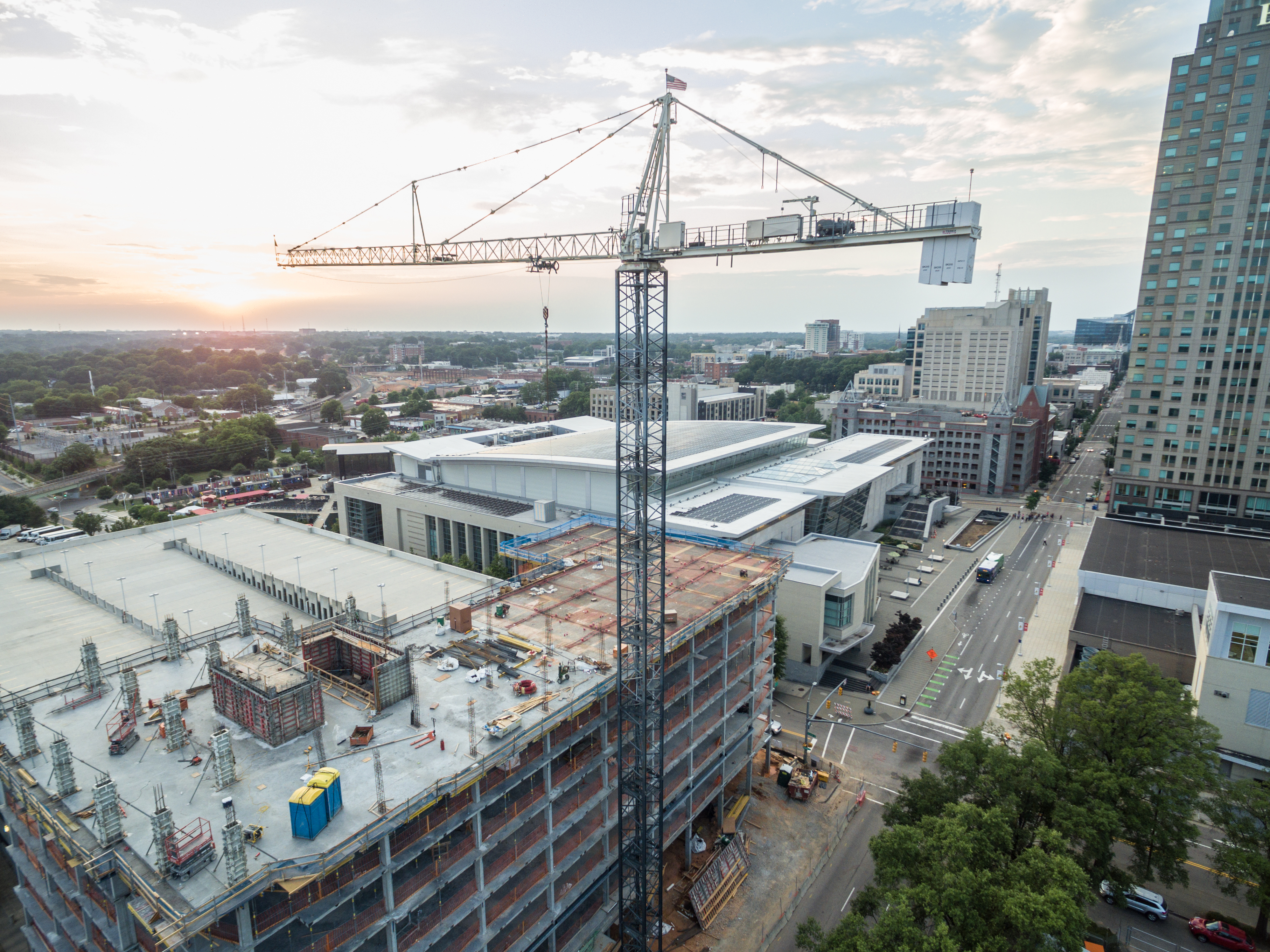
Now that you see why phase inspections matter, let’s explore how they unfold. Each phase is a checkpoint ensuring that your home’s construction stays on track.
Initial Planning and Coordination
The first step in phase inspections is thorough planning. Before construction begins, inspectors coordinate with your builder to ensure everyone is on the same page.
This initial meeting sets the stage for a smooth inspection process. It involves reviewing building plans and timelines to identify key inspection points.
By establishing a clear plan, inspectors can efficiently check each building stage. This proactive approach prevents delays and confusion.
Mid-Construction Evaluations
As your home takes shape, inspectors perform mid-construction evaluations. These checks occur at crucial points, such as after the foundation is laid and framing is up.
Inspectors look for deviations from the plan that could cause issues later. For example, they check that electrical and plumbing systems are correctly installed before drywall goes up.
By catching errors early, mid-construction evaluations save time and money. They also prevent costly fixes once the home is completed.
Final Inspection and Completion
The final inspection is the ultimate test of quality. Once construction is finished, inspectors conduct a thorough review to ensure everything meets high standards.
This inspection includes checking finishes, fixtures, and systems to confirm they work as intended. It’s the last chance to address any remaining concerns before you move in.
Completing a final inspection gives you confidence that your new home is ready. It’s the peace of mind that makes all the planning and inspections worthwhile.
Benefits for Homebuyers and Builders
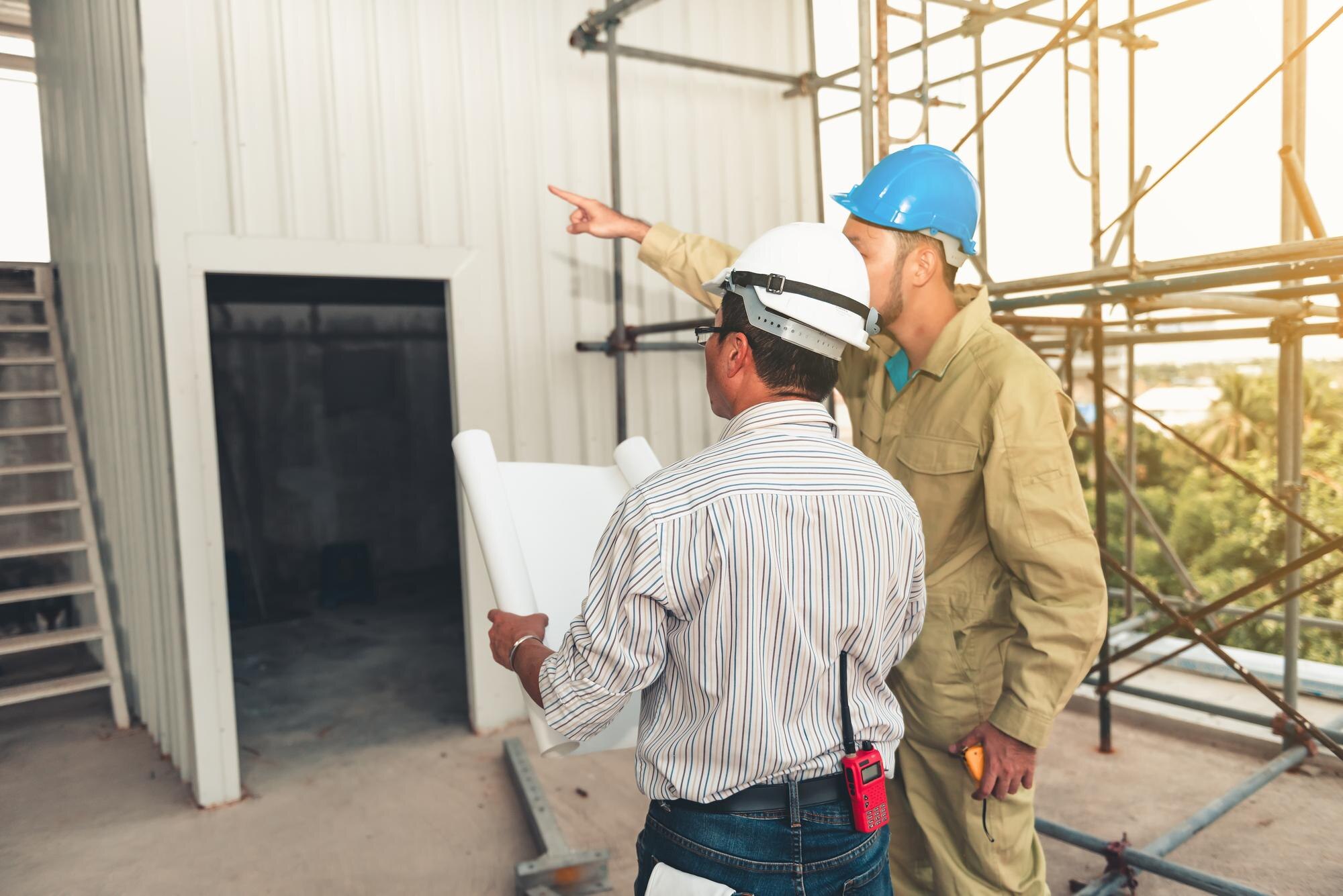
By now, you might wonder how phase inspections directly benefit you. Whether you’re a homebuyer or a builder, these inspections offer tangible advantages.
Peace of Mind and Safety
Knowing that every part of your home has been scrutinized by experts gives you peace of mind. Phase inspections ensure your living space is safe and sound.
Safety is a top priority, and inspections check for hazards that could harm you or your family. With this assurance, you can focus on making your house a home.
Enhancing Property Value
Phase inspections don’t just protect your home; they enhance its value. Homes that pass these rigorous checks are more appealing to buyers.
When selling your home, having documentation of thorough inspections can set you apart. It’s a testament to the quality and care invested in your property.
Trusted Expertise and Support 😊
Partnering with professionals for phase inspections means having trusted expertise on your side. Inspectors bring knowledge and support to every project, ensuring success.
Their experience is invaluable, offering solutions and guidance that save you time and stress. It’s like having a knowledgeable friend guiding you through the process.
In conclusion, phase inspections are a critical part of any construction project. They ensure your home is built to last, offering safety, value, and peace of mind. Don’t leave your investment to chance; make phase inspections a priority.
For more insights on how inspections benefit your project, visit Piedmont Home Inspections.


