


How to Identify and Prevent Moisture Problems in North Carolina Homes
Moisture problems in North Carolina homes often start small but cause costly damage fast. Ignoring crawl space moisture, attic ventilation issues, or signs of water intrusion puts your property at real risk. You’ll learn how to spot early warning signs and prevent mold growth with practical steps tailored to NC’s climate. Concerned about moisture? Schedule a comprehensive inspection with Piedmont Home Inspections today. For more information, you can also visit [https://content.ces.ncsu.edu/preventing-mold-in-your-home].
Spotting Early Moisture Signs

The first step to keeping your home safe is spotting moisture issues before they grow. Small signs can lead to big problems if ignored. Let’s explore what to look for.
Recognizing Plumbing Leak Signs
Do you ever notice unexplained puddles or damp spots? These might be clues of a hidden plumbing leak. Look under sinks or around toilets. A small drip can waste up to 10,000 gallons of water a year, and that’s money down the drain. Check for water stains on walls, ceilings, or floors, as these are clear indicators of a leak. Don’t wait for a water bill surprise—catch these signs early, and you’ll save money and prevent damage.
Identifying Roof Leak Signs
A leaky roof can be sneaky. Water stains on your ceiling are obvious, but other signs might surprise you. Does your attic smell musty? Moisture might be the culprit, trapped in insulation. Also, inspect for shingles that are curled, cracked, or missing. These are common signs of roof trouble. Remember, roofs don’t last forever. Addressing these issues early can save you from costly repairs later.
Crawl Space and Attic Ventilation
Crawl spaces and attics are often out of sight, but they shouldn’t be out of mind. Proper ventilation in these areas is crucial. Without it, moisture builds up, leading to mold. Check your attic for adequate vents and your crawl space for signs of standing water. A damp crawl space can lead to 60% more humidity in your home. By ensuring good airflow, you preserve the structural integrity of your home.
Common Causes of Moisture Problems
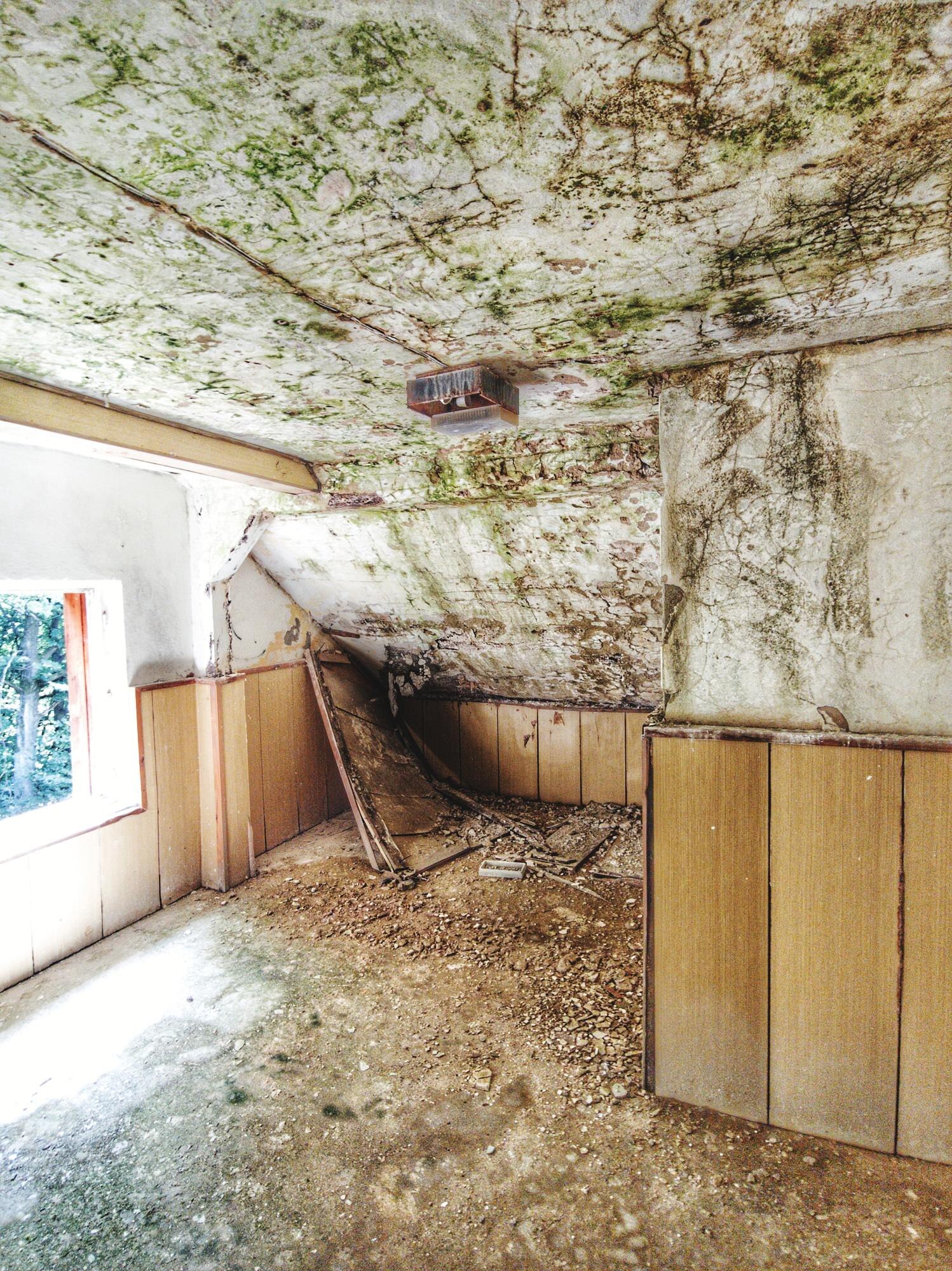
Once you know the signs, it’s essential to understand why they happen. Moisture issues often stem from common household oversights. Here’s what to watch for.
Issues with Drainage and Grading
Water should flow away from your home, not towards it. Check your yard’s slope. If it tilts towards your house, it’s time to reassess. Poor drainage can lead to basement flooding and foundation damage. You might need to regrade your yard or install a drainage system. These changes can prevent costly water intrusion and protect your home’s foundation.
Gutter Maintenance Essentials
Gutters may seem minor, but they play a big role in keeping your home dry. Clogged gutters can cause water to overflow, damaging your siding and foundation. Check them regularly for leaves and debris. Clean gutters ensure water flows away from your home, preventing moisture build-up. Installing gutter guards can also help reduce maintenance time.
HVAC Condensate Line Concerns
Your HVAC system keeps your home comfortable, but its condensate line can cause trouble if blocked. This line removes water from the system. If clogged, it can back up and cause leaks. Inspect it regularly, especially in warmer months. A blocked line can lead to water damage and mold, affecting your indoor air quality. Keeping it clear is a simple way to protect your home.
Effective Moisture Prevention Strategies

Knowing the causes and signs is only half the battle. Now, let’s discuss how to keep moisture at bay with these effective strategies.
Implementing Humidity Control in North Carolina
Humidity is a common problem in North Carolina. Using a dehumidifier can help maintain ideal levels. Aim for 30-50% humidity to deter mold and mildew. Also, consider a programmable thermostat to manage your system efficiently. These devices work together to keep your home comfortable and safe from excess moisture.
Mold Prevention and Water Intrusion Solutions
Mold can be harmful to your health and your home. To prevent it, repair leaks promptly and ventilate damp areas, such as bathrooms and kitchens. Sealing windows and doors prevents water intrusion during storms. These steps, along with regular inspections, can help you avoid mold and the issues it brings.
Importance of Vapor Barrier and Dehumidifier Use
In crawl spaces, a vapor barrier is a must. This plastic sheet covers the ground, blocking moisture from rising into your home. Pair it with a dehumidifier for best results. A dehumidifier for your crawl space can reduce moisture levels significantly, providing a dry, comfortable home environment. Together, these tools combat humidity and protect your home from moisture-related damage.
By understanding the signs, causes, and solutions for moisture problems, you empower yourself to protect your home. Regular inspections are key to early detection. For peace of mind, consider scheduling a professional inspection with Piedmont Home Inspections.


