


Most commercial property inspections in North Carolina catch issues before they become costly problems. When you schedule a commercial property inspection North Carolina with Piedmont Home Inspections, you get a thorough check of roofs, HVAC, electrical, plumbing, and more. Within 24 to 48 hours, you receive a clear, photo-rich report highlighting what matters most. Let’s break down what you can expect from the process and how it helps protect your investment. For more detailed information, you can check out the Commercial Field Inspections Checklist.
Understanding Commercial Property Inspections
Commercial property inspections are crucial for maintaining your investment’s value and safety. Let’s explore why they’re important, what types of properties are inspected, and the key components involved in the process.
Importance of Inspections
You might wonder why inspections matter so much for commercial properties. They help you catch issues early, saving you money in the long run. By identifying problems before they escalate, you avoid costly repairs and ensure the safety of your tenants and employees. Regular inspections also keep your property compliant with safety standards, giving you peace of mind.
Imagine discovering a minor plumbing leak during an inspection. Fixing it promptly prevents water damage, mold growth, and structural issues. This proactive approach not only protects your investment but also enhances its appeal to potential buyers or renters.
Types of Properties Inspected
Commercial inspections cover a wide range of properties. Whether you own an office building, retail center, warehouse, or multi-family property, inspections provide valuable insights. Each property type has unique considerations, and a skilled inspector tailors their approach accordingly.
For instance, an office inspection in NC focuses on HVAC systems, ensuring efficient climate control for employees. A retail center inspection might prioritize electrical safety, while a warehouse inspection in NC emphasizes structural integrity and storage conditions. No matter the property, inspections ensure all critical areas are thoroughly evaluated.
Key Inspection Components
Understanding the key components of a commercial inspection helps you appreciate its value. Inspectors examine roofs, HVAC systems, electrical setups, and plumbing. These areas are vital for a property’s safety and functionality.
During an inspection, the roof and structure are checked for wear and damage. HVAC, electrical, and plumbing systems are scrutinized to ensure they meet current standards. For a detailed checklist of what inspectors look for, refer to this Commercial Inspection Process.
The Inspection Process Explained

Now that you know what’s covered, let’s walk through the inspection process itself. From preparation to reporting, each step is designed to give you a clear picture of your property’s condition.
Pre-Inspection Preparation
Before an inspection, preparation is key. You schedule a visit with your inspector, who provides a checklist of necessary documents and access points. This ensures the inspection goes smoothly and efficiently.
Simple steps like decluttering spaces and making maintenance records available can speed up the process. Being ready not only helps the inspector but also ensures you get the most accurate assessment of your property. For more preparation tips, visit Sanford’s Commercial Inspection Process guide.
On-Site Walkthrough
During the on-site walkthrough, the inspector examines every aspect of your property. They start with the exterior, checking the roof and structure for visible issues. Inside, they assess systems like HVAC, plumbing, and electrical setups.
This thorough examination allows the inspector to identify potential problems. They take notes and photographs to document findings. If you’re curious about the detailed components of a field inspection, the CCPIA’s checklists and guides offer a comprehensive resource.
Comprehensive Reporting and Follow-Up
After the inspection, you receive a detailed report within 24 to 48 hours. This document includes clear photos and descriptions of all findings. It’s easy to understand, even if you’re not an expert.
The report highlights areas needing attention and offers recommendations for repairs or maintenance. This empowers you to make informed decisions about your property. If questions arise, follow-up consultations with the inspector provide additional clarity. For a sample of what a commercial property inspection report might look like, you can explore this example.
Choosing the Right Inspector
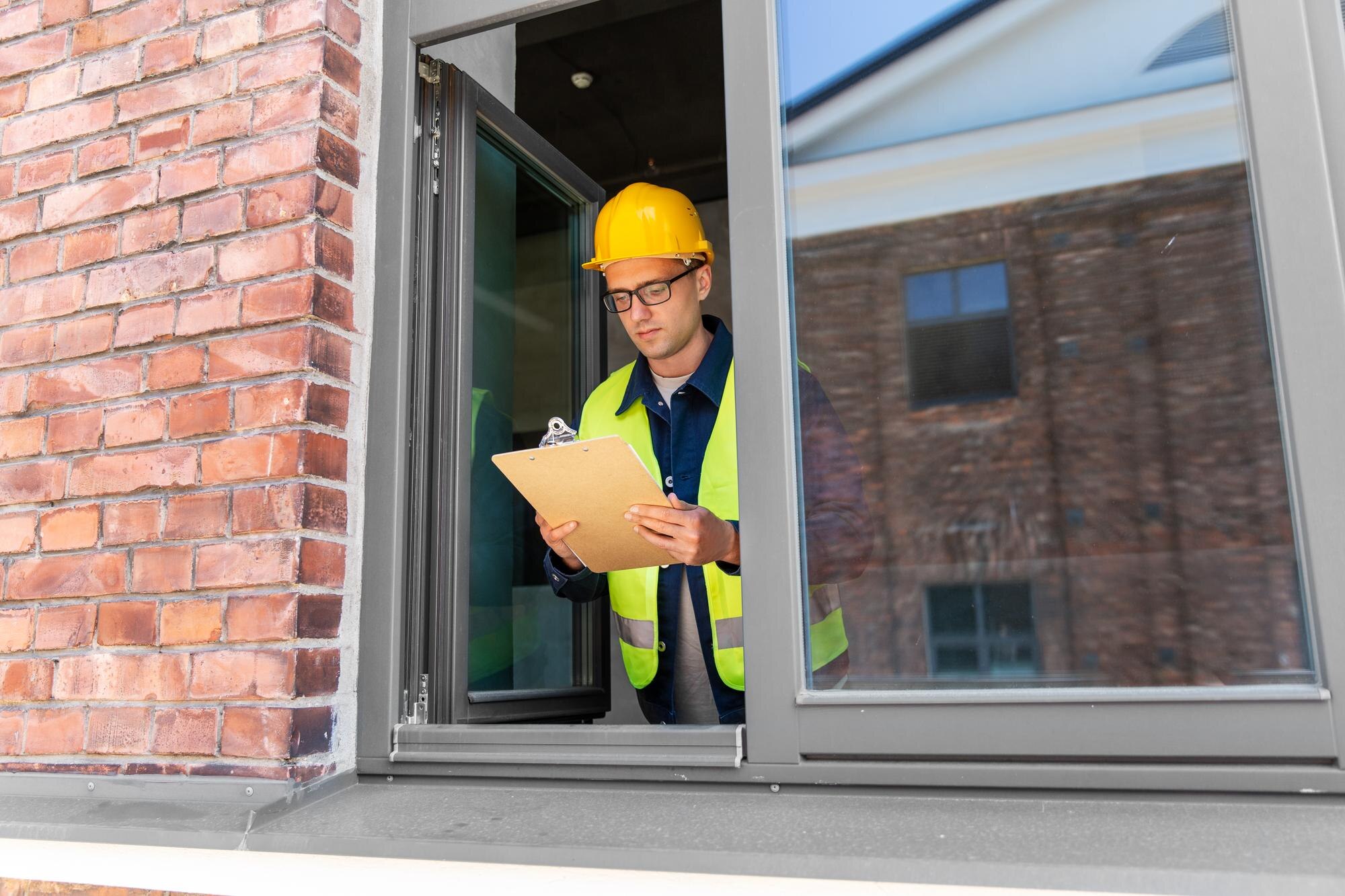
Selecting the right inspector is crucial for a successful inspection. Here’s what to consider when making your choice.
Qualifications and Certifications
When choosing an inspector, certifications matter. Look for AHIT certified inspectors in NC, as this ensures they meet high industry standards. Certification from reputable organizations guarantees the inspector has the skills and knowledge needed for thorough evaluations.
Additionally, inspectors should be familiar with ASTM E2018 inspection standards. This ensures they apply consistent practices recognized across the industry. Always verify an inspector’s credentials before hiring to ensure you’re getting the best service.
What to Look for in an Inspector
Besides certifications, consider an inspector’s experience and customer service. A good inspector has a track record of successful commercial inspections. They communicate clearly and answer your questions promptly.
To find the right fit, ask for references from past clients. This gives you insights into the inspector’s professionalism and thoroughness. Remember, a great inspector not only identifies issues but also helps you understand their implications. Checking reviews and testimonials online can also be a valuable resource in your decision-making process.
Benefits of Piedmont Home Inspections
Choosing Piedmont Home Inspections offers distinct advantages. Their AHIT certification ensures adherence to high standards. The dual expertise in residential and commercial inspections means they’re equipped for any property type.
With Piedmont, you get comprehensive inspections without hidden fees. Reports arrive within 24 to 48 hours, complete with detailed visuals and descriptions. Their customer-centric approach means your questions are answered, and your concerns addressed. You can trust them to guide you through the inspection process, ensuring your property is safe and sound.
In summary, commercial property inspections in North Carolina are vital for safeguarding your investment. By understanding the process and choosing the right inspector, you can ensure your property remains a valuable asset. Whether you’re a property manager, investor, or owner, these insights empower you to make informed decisions with confidence.


